Journal

Notes from the roastery.

Brewing guides, coffee science and stories from around Savaya.

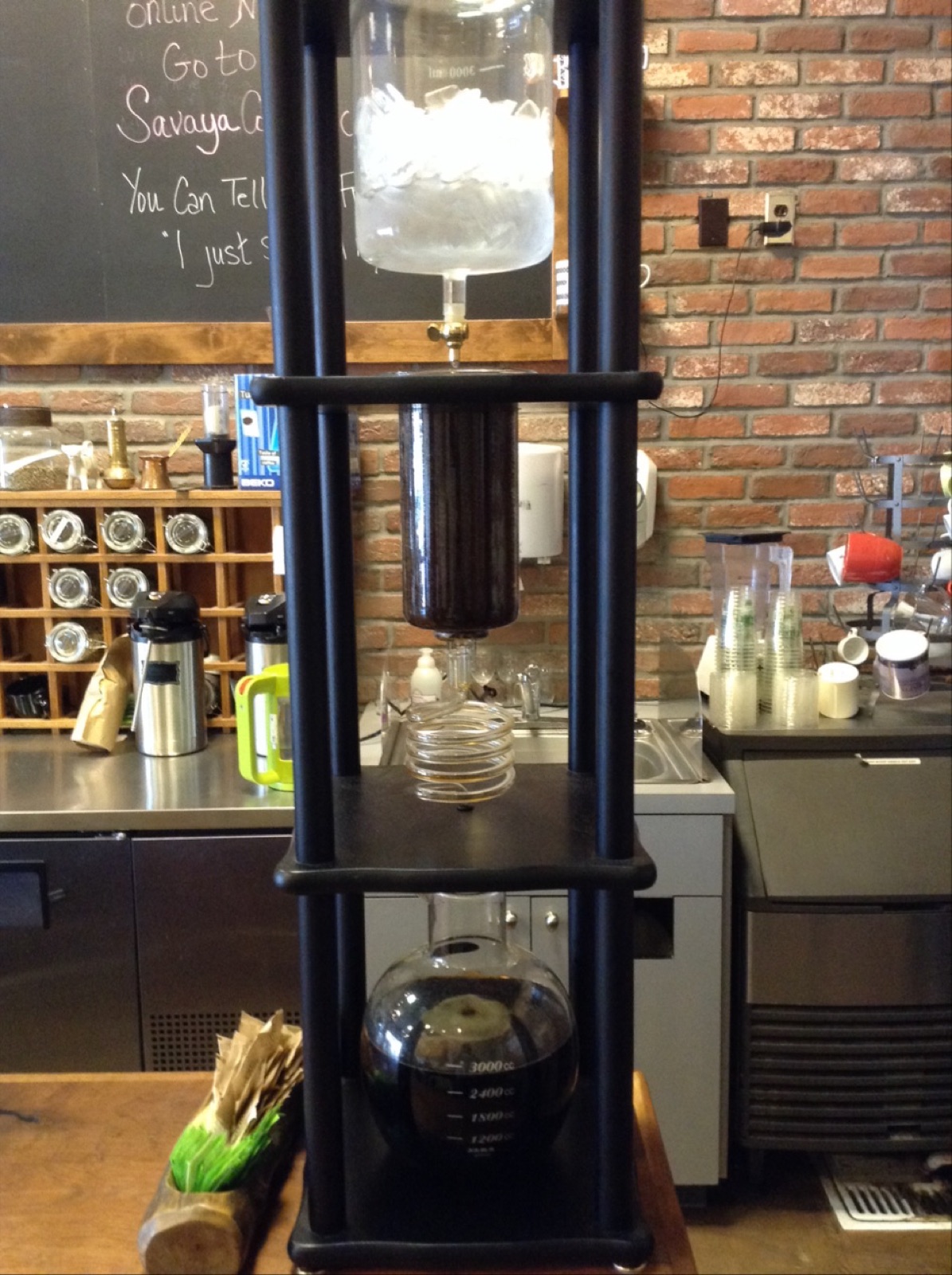
A cold-brew tower slowly dripping coffee at the bar.

Posts

The Little Brewer That Could — AeroPress

This week we’re highlighting the AeroPress brewing method. The AeroPress is a truly unique and innovative invention that produces an incredibly smooth and flavorful cup, without the acidity found in traditional drip brewing methods. Coffee aficionados are raving about the great coffee that comes out of this little brewer.

Due to its use of pressure for extraction, the AeroPress produces a cup similar to coffee brewed from an espresso machine due to its concentration, highlighting any chocolate and/or fruit notes within the bean. As the AeroPress pushes water through the coffee and out the filter, pressure is maintained by a rubber seal. Because of this pressure, brewing will take place regardless of temperature, so the water does not necessarily need to be as hot as pour-over or French press brewing methods. There is a lot of room for some fun experimentation with water temperature, so play with it as it suits you!

To use the AeroPress, grind 15–17.5 grams of coffee to a little more fine as you would use for an auto-drip brewer or a pour-over (note: if you’re using a reusable metal filter, grind the coffee as you would regular drip coffee). Wet the paper filter (if using) and place it in the filter container. Place the AeroPress on the cup with the filter container facing the bottom of the cup. Put the ground coffee in and slowly pour in just enough water to saturate the grounds to allow it to bloom for about 30 seconds. Don’t worry about water dripping through! Once the bloom has finished, fill the AeroPress to the top with water, give a stir or two, and then put the rubber seal on the top of the press chamber. The rubber seal creates a vacuum inside the chamber, so no water will drip out once the seal is in place. Let the coffee brew for about one to three minutes (there is room for experimentation with brewing time, causing acidity level to vary) and then press the rubber plunger down to the filter container. Once you hear it hissing, stop pushing! Otherwise you will risk over-extraction and a more bitter cup of coffee.

To clean, unlock the filter chamber and give the plunger one final push to pop the puck of grounds out into the trash, and give it a good rinse! That’s all that is needed to make a great cup of coffee!

The AeroPress is ideal for camping and/or traveling because it is small and compact, easy to clean, and doesn’t need electricity to brew! The AeroPress makes it easy to get as close to espresso-style coffee as you can on the go! And the best thing — it will last forever!

We sell the AeroPress at Savaya, so come buy one and allow our baristas to give you a full demonstration! It truly is an amazing brewing method!

Shop the AeroPress

Giving Back to the Earth

In light of the news of ever-increasing support for a ban on plastic straws, we’d like to tell you about our particular straws. Like our cold cups, Savaya actually uses a plant-based plastic which is certified compostable and biodegradable. That means that you can toss it in the garbage can or (even better) in your local compost bin and know you’re doing your best to preserve the environment! Remember, however, that compostable items are NOT recyclable.

So, you may be wondering what this “plant-based plastic” actually is? In short, specific technologies take greenhouse gases and turn them into polylactic acid (also known as Ingeo). As a result we’re left with what we call “corn plastic,” made entirely from renewable resources, as opposed to the non-renewable petroleum of traditional plastic, which in turn minimizes the amount of waste in our landfills. Pretty great, right?

Cold as Ice

Summertime is a great time for cold-brewed coffee! There are a few methods for cold-brewing coffee, but there is one constant factor: it’s brewed with ice-cold water rather than hot water. This post will touch upon the Toddy System and the Yama slow-drip (also known as ‘ice-drip’) brewing methods.

Toddy is the registered trademark name of a brewing system that makes concentrated ice-drip brewed coffee. The Toddy method produces a very rich body that is neither bitter nor acidic while emphasizing any chocolate, fruit, or earthy notes of the coffee beans. Toddy-brewed coffee is brewed for 20 to 24 hours, the result of which yields a highly concentrated product that is typically diluted according to personal tastes while still maintaining its flavor. The final product can be drunk over ice, or even heated without compromising the coffee’s character. If anything, it makes for a sweeter, more flavorful hot cup of joe!

The Yama brewing method is a newer method for cold-brewing coffee, for which iced water slowly drips through finely ground coffee at a rate of about four drops per minute, for about 12 to 17 hours through a ceramic filter, resulting in a concentrated product that is then diluted to taste. The use of the ceramic filter contributes to the coffee’s incredibly smooth, clean, and bright flavors. This method emphasizes any fruit, floral, and nut-butter flavors the coffee may have. Like the Toddy System, the resulting product from the slow-drip method can be heated post-brew without changing the nature of its flavors. You will still be left with a clean, bright cup of coffee.

One drawback to cold-brewing coffee at home is the amount of waiting time it takes, but at Savaya, we always have some freshly brewed cold brew just for you!

Cold-brewing coffee is a unique and interesting process that deserves much more investigation. It extracts an array of notes and flavors that might not otherwise be noticeable with typical hot-brewing methods.

Best Practice for Storing Coffee at Home or Traveling

Here is a coffee tip for everyone! It is best to store coffee in a glass or ceramic airtight container. The kind with the rubber seal is ideal. Store it in a cool dry place, but not near the oven or anywhere that gets direct sun, as those places will get too hot.

To store whole bean: ideally it is best to keep coffee in whole-bean form as long as possible. Grind a small amount before brewing. When coffee is in whole-bean form it prevents oxygen from getting into the cells inside each individual coffee bean. The airtight container is another layer of protection from oxygen, further preventing oxidative breakdown of the coffee. In whole-bean form the coffee stored in this way can remain fresh for up to six weeks.

To store ground coffee: ground coffee also needs to be stored in an airtight glass container away from light and heat. Ideally one would buy ground coffee in smaller amounts to make sure it is as fresh as possible. If not stored properly, after four days the flavor will degrade dramatically.

Note, part of the importance of storing ground coffee in an airtight container is because it readily absorbs moisture and odors. This is one of the issues with storing ground coffee in the refrigerator or freezer. Moisture in the form of frost can build up inside the container, but if the ground coffee is stored in a truly airtight container — the kind with a rubber seal and clasp — and put in a place in the refrigerator that is away from the bulb and other foods, then that should keep the ground coffee fresher for about one week longer.

Del Sutton

One of the first customers to our store at Synergy Plaza was Del Sutton. He was a busboy back in the ’70s at this very location, back when it was the Old Palomino. This is when the movie industry was a big business in Tucson, and this seven-star restaurant welcomed the likes of John Wayne, Sammy Davis Jr., Dean Martin, Michael Landon, and even kingpin drug lords back in the day! He grew up near this spot, on a ranch at Camp Lowell and Swan. We love to hear his stories about our changing city, and to see history paired with the future as our storied company shapes this building’s next chapter.

When we sat down with him the other day, he gave us a snapshot of what this part of town looked like back then. All up through Catalina Foothills, this was horse country! Tucson still was a small-sized city, but this was a wealthy area. Mansions, polo fields, hundreds of horses, and small ranches dotted the area. It was an interesting time to grow up.

At the corner of Camp Lowell and Swan, near where Del was raised, was a mansion where the Bashas’ grocery store is currently. There was a lake near there where Del would fish, filled with tilapia, catfish, and blue gill. Swan was just a two-lane bumpy street, and River Road was just a dirt one! The riverbed north of here was lined with old cars, and when it would flood, Del and his friends would jump in inner tubes and tube down the river. He realizes now this wasn’t the best idea he ever had!

Del’s mom was in real estate in the early ’60s, and foresaw what this area would be eventually. They both have seen many companies, businesses, and homes come and go. While it is bittersweet to have seen all the change that has occurred, he is glad that people like Savaya are a part of the next generation of this piece of the Old Pueblo.

It was Savaya’s authenticity that drew Del in. His first brush with Savaya was like so many people’s: an articulate, descriptive, and happy barista talking about the coffee we love! The other thing that pulled him in was the tile on the wall! It’s a Mexican-style pattern that many homes in this area used between the ’40s and ’60s. Seeing this history maintained, and the joy exuded at Savaya, Del knew he was going to be a huge fan and supporter of this space!

And he has been — if you see him in one of our stores, be sure to say hello. He’ll brighten your day.

Our Favorite Brewing Method

One very important step in the preparation of coffee — aside from the growing, picking, processing, and roasting — is the brewing of the coffee. Brewing coffee takes precision, practice, and patience. Precision in the amount, temperature, and quality of the water. The amount of coffee being brewed and ground needs to be weighed and measured as well. However, there is more flexibility with the amount of grounds and size of the grinds one prefers to use. Experiment with the ratios of coffee and water until the desired mixture is obtained. Finally, patience is needed when creating a great brew. Rushing will lead to under-extracted coffee that will taste more acidic and unbalanced.

The French Press produces a very rich, full-bodied and great-tasting cup of coffee with the oil and subtlety intact. The grind size of the coffee for French Press is up for experimentation. The finer the grind, the more flavor is released into the brew, but there will be more sediment in the cup. The more coarse the grind size is, the less oils will be extracted, yet it still produces a great, clean cup of coffee.

We recommend using a more coarse grind when brewing in the French Press. Standard grinders have a setting for this size. Thirty grams of coarse-ground coffee for a sixteen-ounce cup (half a French Press pot) is a successful ratio. The recommended water temperature is between 195 and 205 degrees Fahrenheit. It may be a good idea to choose a temperature in this range and stick with it for consistency’s sake.

Heat the French Press pot in warm water before use. The secret to a great French Press is fresh ground coffee — once coffee is ground, many of the compounds leach out or degrade. Make sure the water is within the recommended temperature range. Pour about half of the water over the coffee at first, then stop and wait about thirty seconds to let the coffee ‘bloom’ — it’s very visible. Pour the remaining water over the coffee slowly. Place the top of the pot on, but do not push the filter down yet. Let the coffee brew for four or five minutes. Once the time is up, push the filter down as far as it will go to the bottom of the pot. Finally, pour the coffee and enjoy!

Shop French presses

The Coffee Processes

Ever wonder how coffee cherries become the delicious cup of coffee you drink every morning? There’s a lot of science and ingenuity that goes into it. Between the time a coffee cherry is picked and makes it to your cup, it undergoes one of four main processing types.

These processing techniques — fully washed, natural, honey, and wet hulled — have an impact on the taste and quality of the final product. While no two coffee harvests are the same, there are some general characteristics of each process that can help you predict what to expect out of your coffee of choice.

Washed Process — all the pulp and mucilage around the bean is removed before drying, allowing for a brighter and more complex cup. Coffee that is washed-processed is often more nuanced, allows for more subtle flavors, and is more citrusy and tangy than a natural-processed bean. And, as a result, has a lighter body (how it feels in your mouth) to it.

Natural Process — the opposite of washed-processed; coffee beans are dried with the bean in the cherry. The coffee that results maintains a similar flavor to the cherry and the region of origin. It has more of a body than washed-processed coffee, more of a red-fruit and rounder taste, and also more acidity.

Honey Process — some of the mucilage is kept on the bean, creating a unique tasting profile from a washed process and a natural process. The resulting coffee can often be the best of both worlds, with the characteristics of natural-processed and the delicacy and complexity of washed processes.

Wet Hulled — in this processing method, mucilage is removed first, and parchment is left on the bean until a later time. A blue hue to the bean results. The result is a reduction in acidity, and an increase in the body, or mouthfeel, of the coffee. This is a process done mostly with Indonesian coffees.